Grand Opening Concert Featuring Musica Vitale!
Directed by Elena Vizuet
Saturday, September 5th, 2026 at 2:00 PM (Matinee), Bonita Sunnyside Library Community Room
Dedicated to the legacy of our former President, Betty Unibe
Musical Program
Let My Love Be Heard — Jake Runestad (b. 1986)
Written as a setting of Alfred Noyes’ poem A Prayer, this contemporary choral masterpiece has quickly become one of the most beloved modern works in the American choral repertoire. Originally composed as a response to sudden grief, the piece moves from gentle, whispered urgency into a soaring, dramatic climax before fading back into quiet stillness. Runestad uses rich harmonic colors and dynamic suspensions to transform a simple plea—”let my love be heard”—into a deeply emotional soundscape of solace and memory.
A Prayer
by Alfred Noyes

Angels, where you soar
    Up to God's own light,
Take my own lost bird
   On your hearts tonight;
And as grief once more
   Mounts to heaven and sings,
Let my love be heard
   Whispering in your wings.
Ave Maria — Franz Biebl (1906–2001)
Originally written in 1964 for a German fire brigade choir, Biebl’s Ave Maria gained international renown after being popularized by the vocal ensemble Chanticleer. The work uniquely weaves together two distinct choral textures: a solemn, plainchant-inspired chant section interchanging with lush, rich, double-choir polyphony. The resulting warmth and tranquil beauty make it one of the most moving settings of the Marian text in 20th-century sacred music.
Angelus Domini nuntiavit Mariae
et concepit de Spiritu sancto.

Refrain:
Ave Maria,
gratia plena,
Dominus tecum.
Benedicta tu in mulieribus,
et benedictus fructus ventris tui, Iesus.

Maria dixit: Ecce ancilla Domini.
Fiat mihi secundum verbum tuum.

Et Verbum caro factum est
et habitavit in nobis.
The angel of God visited Maria
and she conceived of the Holy Spirit.

Refrain:
Hail Mary,
full of grace,
the Lord is with thee
Blessed art thou among women,
and blessed is the fruit of thy womb, Jesus.

Maria said: See the servant of the lord.
May it happen to me according to your word.

And the Word became flesh and lived among us.
Hark, I Hear the Harps Eternal — Traditional American, arr. Alice Parker (1925–2023)
Drawing from the rich American Sacred Harp / shape-note tradition, this arrangement by the legendary Alice Parker captures the joyful, rhythmic energy of 19th-century revivalist hymnody. Featuring a driving pulse, open harmonies, and energetic call-and-response lines, the piece depicts a heavenly vision of harp music echoing across the waters. Parker’s brilliant arrangement builds layer upon layer into a triumphant, foot-stomping choral finale.
Hark I hear the harps eternal ringing on the farther shore
As I near those swollen waters with their deep and solemn roar
Hallelujah, Hallelujah, Hallelujah praise the lamb
Hallelujah, Hallelujah, glory to the great I am
And my soul though stained with sorrow, fading as the light of day
Passes swiftly o'er those waters to the city far away
Hallelujah, Hallelujah, Hallelujah praise the lamb
Hallelujah, Hallelujah, glory to the great I am
Souls have crossed before me saintly to that land of perfect rest
And I hear them singing faintly in the mansions of the blest
Hallelujah, Hallelujah, Hallelujah praise the lamb
Hallelujah, Hallelujah, glory to the great I am
Hallelujah, Hallelujah, Hallelujah praise the lamb
Hallelujah, Hallelujah, glory to the great I am
A la Orilla de un Palmar & El Butaquito — Manuel M. Ponce (1882–1948)
Regarded as the father of Mexican musical nationalism, Manuel Ponce dedicated much of his life to gathering, elevating, and concertizing traditional Mexican folk melodies.
• A la Orilla de un Palmar ("On the Shore of a Palm Grove"): A tender, lyrical canción that captures a bittersweet story of romantic longing and quiet solitude against a serene coastal backdrop.
A la orilla de un palmar,
yo vide una joven bella,
su boquita de coral,
sus ojitos dos estrellas.

Al pasar le pregunté
que quién estaba con ella
y me respondió llorando:
sola vivo en el palmar.

Soy huerfanita, ¡ay!
no tengo padre ni madre,
ni un amigo ¡ay!
que me venga a consolar.

Solita paso la vida
a la orilla del palmar
y solita voy y vengo
como las olas del mar.
On the edge of a palm grove,
I saw a beautiful young woman,
Her little mouth of coral.
Her eyes, two stars.

As I passed by,
I asked her
Who was with her
And she replied crying:
I live alone in the palm grove.

I'm an orphan, oh!
I have no father or mother,
Not a friend, oh!
To come and console me.
I spend my life alone
On the edge of the palm grove
And alone I come and go
Like the waves of the sea.
• El Butaquito: A lively, rhythmic folk song inspired by the Son Jarocho traditions of Veracruz. Full of playfulness, syncopated drive, and rustic charm, it brings vibrant movement and festive flavor to the stage.
Yo tengo un butaquito
yo tengo un butacazo,

Yo tengo un butaquito,
cielito lindo dame un a brazo.

Cuántas veces me engañste
con tu negra falsedad,

y me dices que me quieres,
ay! ay! ay! si será verdad.
I have a little stool,
I have a big chair,

I have a little stool,
My lovely darling, give me a hug.

How many times you deceived me
With your dark deceit,

And you tell me that you love me,
Ay! Ay! Ay! I wonder if it could be true.
Ov e vorpes (Ով է որպես) | Komitas Vardapet (1869–1935)
Komitas Vardapet, an Armenian priest, musicologist, and composer, is widely celebrated as the founder of the Armenian national school of music. Ov e vorpes (“Who is like unto the Lord?”) is a sacred hymn that highlights Komitas’ mastery of preserving ancient Armenian sacred modal melodies while framing them in expressive, rich choral harmony. The piece carries a solemn, contemplative atmosphere, echoing centuries of deep faith, resilience, and spiritual reflection.
Ov e vorpes Ter Astvatz mer khachetsav vasen mer,
taghe tsav yev hareav.
Havatarim yeghev hashkharhi yev hambardzav paroq.
Yekayq zhogho-vurdq zorh-nu-tyun end
hreshtaks yergestsuq nema aselov
surb, surb surb es Ter Astvatz mer
Who is like the Lord our God?
He was crucified for our sake,
He was buried and is risen.
He showed Himself faithful to the world, and ascended in glory.
Come, O ye peoples,
Let us sing praises unto Him with the angels, saying:
Holy, holy, holy art Thou, O Lord our God!
Reide, reide, geili Traditional Amish, arr. Templeton
Rooted in the Pennsylvania Dutch folk traditions of the Amish community, Reide, reide, geili (“Ride, Ride, Little Horse”) is a traditional lap-riding play song and nursery rhyme passed down orally through generations. This arrangement transforms a simple, rhythmic childhood chant into a charming choral feature, celebrating the preservation of heritage, domestic life, and the gentle humor of folk storytelling.
Reide, reide, Geili!
Alle schtunn en Maili;
Gegt's iwwer der Schturnbe,
Fallt's Bobb'li nunner!

Reide, reide Geili!
Alle schtunn en Meili;
Marriye selle mer Hawwer dresche,
Kann des Geili Hawwer fresse!

Reide, reide, Geili!
Alle schtunn en Meili;
Iwwer, der Hiwwel geht es niwwer,
Bobb'li geht's nunner!

Reide, reide, Geili!
Alle schtunn en Meili:
Es Geile Schpringtweck,
Falt's Buwli in der Dreckt!
Ride, and ride the pony!
Every hour a mile;
Jumps over the tree stump
Down falls the baby!

Ride and Ride the pony!
Every hour a mile;
Into the fields tomorrow mornin' ,
Then the pony can munch his corn!

Ride and ride the pony!
Every hour a mile;
Over and over, up the hill,
Little baby takes a spill!

Ride and ride the pony!
Every hour a mile;
Little pony runs away,
Little boy eats the dirt!
If Music Be the Food of Love — Henry Purcell (1659–1695)
Setting text inspired by the iconic opening line of Shakespeare’s Twelfth Night, Purcell’s 17th-century Baroque song explores the overwhelming power of music to awaken and feed the human heart. Purcell’s signature expressive word-painting shines throughout the piece: vocal lines stretch, blossom, and leap to mirror the ecstasy and bittersweet ache of passion. It stands as a timeless ode to the profound connection between song and human emotion.
If music be the food of love,
Sing on till I am fill’d with joy;
For then my list’ning soul you move
To pleasures that can never cloy.
Your eyes, your mien, your tongue declare
That you are music ev’rywhere.

Pleasures invade both eye and ear,
So fierce the transports are, they wound,
And all my senses feasted are,
Tho’ yet the treat is only sound,
Sure I must perish by your charms,
Unless you save me in your arms.
Composers
Jake Runestad (b. 1986)

An Emmy-winning, Grammy-nominated American composer and conductor, Jake Runestad is widely considered one of the most prominent voices in contemporary choral and orchestral music. Known for his expressive lyricism, rhythmic energy, and deep social conscience, Runestad frequently tackles poignant, humanistic themes ranging from mental health to environmental awareness. His works, including Let My Love Be Heard, Please Stay, and his major work A Silence Haunts Me, are staple repertoire for premier ensembles worldwide, earning him commissions from organizations like Conspirare, the Santa Fe Desert Chorale, and the Philippine Madrigal Singers.
Franz Biebl (1906–2001)
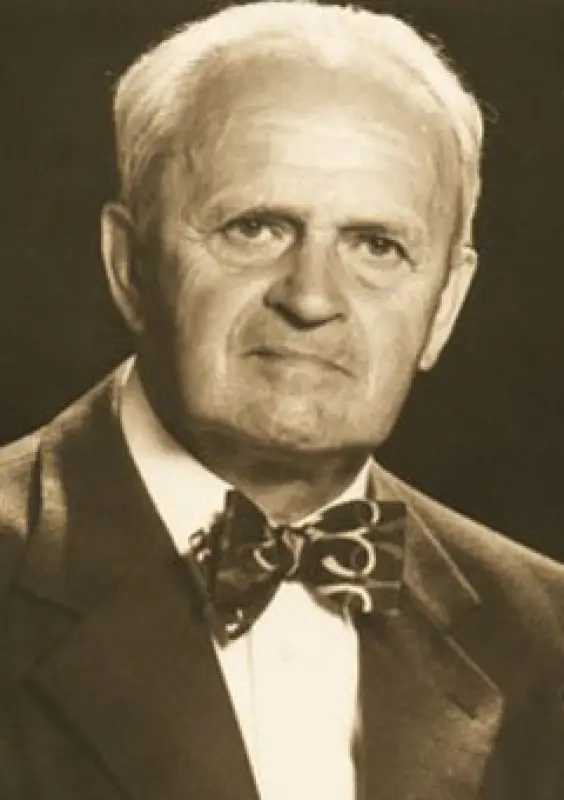
Franz Biebl was a German composer, educator, and choral conductor. After studying church music and composition in Munich and serving in World War II, he worked extensively as a choral director, music educator, and head of choral music for Bavarian Radio. While he composed hundreds of works across sacred and secular genres, he achieved global fame through a single, extraordinary piece: his Ave Maria (setting the Angelus). Originally written for a local fire brigade male choir, the work gained worldwide acclaim after being championed by the American vocal ensemble Chanticleer.
Alice Parker (1925–2023)
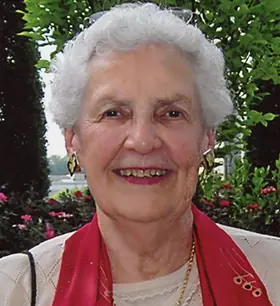
Alice Parker was a monumental American composer, arranger, conductor, and educator whose career spanned more than seven decades. A student of Robert Shaw at Juilliard, she co-created legendary choral arrangements of American folk songs, spirituals, and hymns with Shaw, bringing foundational vernacular music into the concert hall. An ardent believer in the communal power of singing, Parker founded the organization Melodious Accord, wrote hundreds of sacred and secular compositions, and led community Sings across North America, leaving an indelible imprint on American choral tradition.
Manuel M. Ponce (1882–1948)
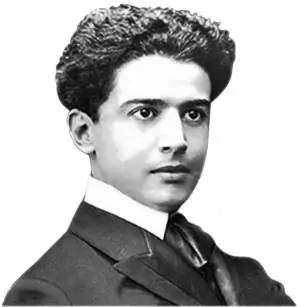
Manuel María Ponce was a foundational figure in modern Mexican music. A scholar, pianist, and composer, Ponce studied in Mexico, Italy, and France (under Paul Dukas) before spearheading the Mexican musical nationalism movement. He sought to elevate authentic Mexican folk melodies and mestizo songs into sophisticated concert works, composing iconic piano pieces, orchestral suites, and chamber music. His vast catalog includes the timeless song Estrellita and an indispensable body of works for classical guitar, written in close collaboration with virtuoso Andrés Segovia.
Komitas Vardapet (Soghomon Soghomonian, 1869–1935)
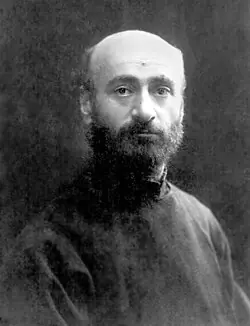
An Armenian priest, musicologist, composer, singer, and choirmaster, Komitas is revered as the father of modern Armenian classical music and a pioneer of ethnomusicology. After studying music in Berlin, he painstakingly collected, transcribed, and analyzed more than 3,000 Armenian, Kurdish, and Persian folk songs, cleansing them of foreign influences and preserving an ancient cultural heritage. His sacred choral works—most notably the Patarag (Divine Liturgy)—remain core to Armenian identity. Tragically, surviving the trauma and persecution of the 1915 Armenian Genocide led to severe PTSD, and he spent the remainder of his life in psychiatric clinics in Paris.
Mark Templeton (b. 1974)
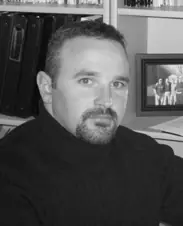
Mark Templeton is an American choral composer, arranger, and veteran music educator based in Virginia. Holding degrees from Shenandoah University and the University of Missouri–Columbia, Templeton has served as Director of Choral Activities at Handley High School for over two decades. His compositions, often published by Walton Music, Hal Leonard, and Santa Barbara Music Publishing, are widely celebrated for their lush harmonic colors, accessible voice-leading, and thoughtful lyrical sensibilities, making his works frequent selections for all-state, collegiate, and festival choirs nationwide.
Henry Purcell (1659–1695)
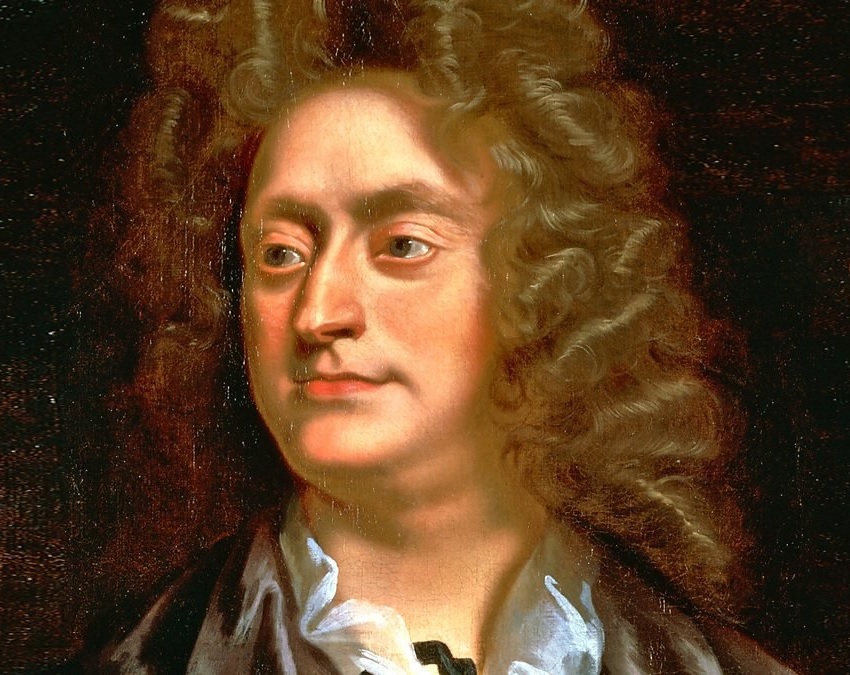
One of England’s greatest and most influential Baroque composers, Henry Purcell served as organist of Westminster Abbey and the Chapel Royal. He developed a distinctly English theatrical and sacred idiom, brilliantly marrying expressive continental Baroque styles with natural English text setting. His masterwork, the opera Dido and Aeneas (famed for “Dido’s Lament”), alongside his funeral music for Queen Mary and numerous anthems, odes, and keyboard pieces, cemented his reputation as an extraordinary craftsman of dramatic and polyphonic choral music before his untimely death at age 36.
Performers
Elena Vizuet, Director
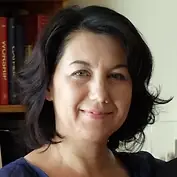
Mrs. Vizuet is an International Music Educator and Performer with more than 30 years of experience. Mrs. Vizuet has an MA degree in Choral Conducting and an MA in Music Education from the prestigious Ural Conservatory, Russia. She also has a BA, Cum Laude, in Choral Conducting and Music Education from Chelyabinsk Music College, Russia. Mrs. Vizuet has worked as a professional singer, pianist, music instructor, conductor, and impresario for decades.

 She performed internationally in venues such as Tchaikovsky Concert Hall, Rachmaninov Hall of Moscow Conservatory, Chelyabinsk Opera Theater, Vidago Concert Hall in Budapest, Casa de Kultura in Mexico, and in more than 100 productions with San Diego Opera, USA. She is a Founder an Artistic Director of Vocal Ensemble Musica Vitale, a non -profit art organization. Please visit www.Musicavitale.com

Mrs. Vizuet held position of a Teaching Artist with the San Diego Opera company in the program "Opera for Kids by Kids"; taught voice and conducting classes to undergraduate students of Chelyabinsk Music College, Russia; and Mesa City College, USA. Through her mentorship and guidance Mrs. Vizuet opened doors to professional music world to many opera singers who now sing with leading Opera Theaters in Moscow and St. Petersburg, as well as professional Choral Groups, Music Colleges and Schools.
Musica Vitale Performers
Sopranos:

Rachel Fields
Anne Whatoff
Altos:

Evangelina Woo
Theodora Mautz
Tenors:

John Yokoyama
Samuel Buse
Basses:

Michael Sokol
Allen  Pace
In Memory of Betty Unibe
Betty Unibe (August 16, 1950 – May 6, 2026)
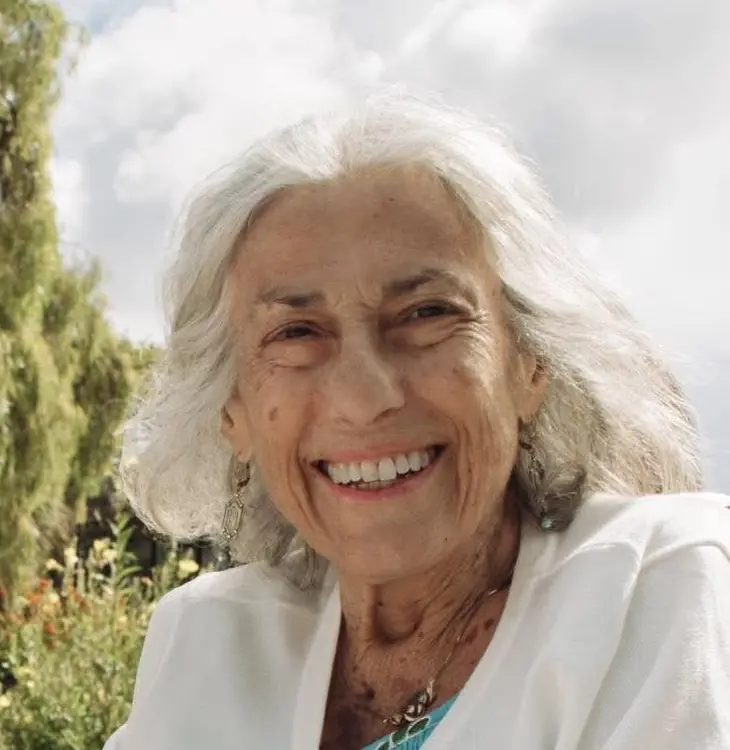
Betty was a very devoted member of the Bonita-Sunnyside Friends of the Library for 15 years, and her service as Secretary and President transformed our bookstore operations into one of the best in San Diego County, often placing 1st or 2nd in quarterly revenue. Her relentless drive to promote book sales, encourage book donations, and implement the "Operation Book Support" program resulted in many thousands of dollars that were used to support the Bonita-Sunnyside Library. This support included community enrichment programs such as chair yoga, summer reading programs, and creative writing classes; and capital improvements such as 3D printers for S.T.E.A.M. students, and chairs for the community room (the ones you are sitting in).

This legacy extends beyond her untimely death in the form of this concert series, which is offered for free to the benefit of the community, and it is with great love and respect that we dedicate this concert series to her memory.

In honor of Betty's lifelong love of learning, donations in her memory are warmly welcomed:

 Bonita Sunnyside Friends of the Library:
https://bonitasunnysidefol.org/donate/

 Autism Tree Project:
https://www.autismtreeproject.org

Frank Borik
Artistic Director and Producer
Friends of the Library Concert Series